Digestive Health
IBS (Irritable Bowel Syndrome): Symptoms, Causes, and How Massage Therapy May Help
What Is IBS?
Irritable Bowel Syndrome (IBS) is a common digestive disorder that affects the large intestine. It can cause ongoing abdominal discomfort and changes in bowel habits, but it does not permanently damage the digestive tract.
IBS affects millions of people worldwide and can significantly impact daily activities, work performance, sleep quality, and overall well-being.
Common Symptoms of IBS
People with IBS may experience:
- Abdominal pain or cramping
- Bloating and abdominal distension
- Excessive gas
- Diarrhea (IBS-D)
- Constipation (IBS-C)
- Alternating diarrhea and constipation (IBS-M)
- Urgent bowel movements
- Feeling of incomplete bowel emptying
Symptoms often vary from person to person and may fluctuate over time.
What Causes IBS?
The exact cause of IBS remains unclear, but several factors may contribute.
Stress and Anxiety
The digestive system and nervous system are closely connected through the gut-brain axis. Emotional stress can influence digestive function and worsen IBS symptoms.
Increased Gut Sensitivity
Individuals with IBS may have a digestive tract that is more sensitive to normal intestinal activity.
Changes in Gut Motility
Food may move through the digestive system either too quickly or too slowly, contributing to diarrhea or constipation.
Dietary Triggers
Certain foods may trigger symptoms, including:
- Fatty foods
- Caffeine
- Alcohol
- Dairy products
- Artificial sweeteners
- High-FODMAP foods
Stress affecting your gut?
Our Richmond BC massage therapists can build a relaxation-focused treatment plan around your needs.
Book NowCan Massage Therapy Help IBS?
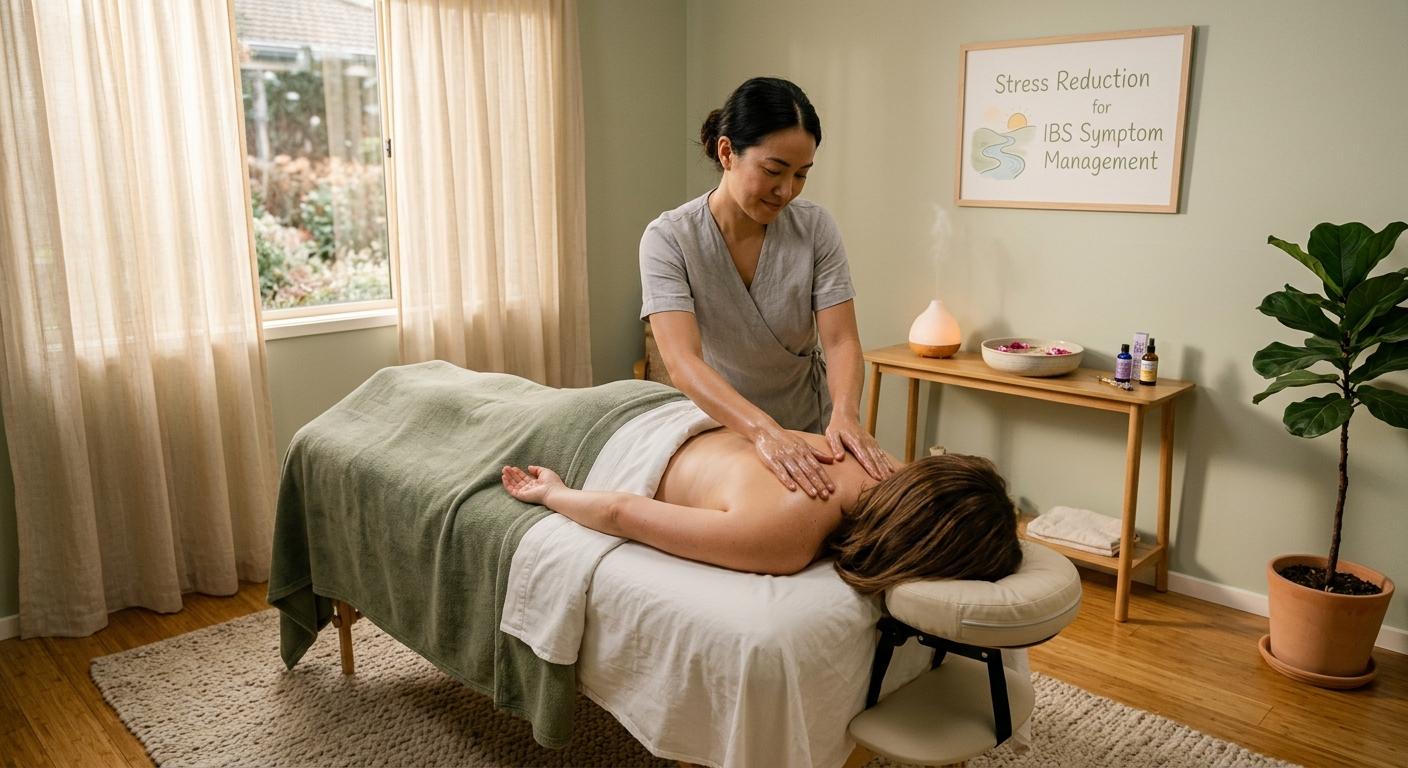
Massage therapy is not a cure for IBS. However, some individuals find that massage may help support overall wellness and stress management, which can be beneficial because stress is a common trigger for IBS symptoms.
Potential benefits may include:
Stress Reduction
Massage therapy may help promote relaxation and reduce stress levels, potentially supporting nervous system regulation.
Improved Relaxation Response
Gentle massage techniques can encourage activation of the parasympathetic nervous system — often referred to as the "rest and digest" state.
Reduced Muscle Tension
Many people with IBS also experience tension in the abdomen, lower back, hips, and diaphragm. Massage may help address associated muscular discomfort.
Better Sleep Quality
Improved relaxation may contribute to better sleep, which is important for overall digestive and nervous system health.
Lifestyle Tips for Managing IBS
In addition to working with your healthcare provider, the following strategies may help manage symptoms:
- Maintain a consistent eating schedule
- Stay hydrated
- Exercise regularly
- Manage stress levels
- Keep a food and symptom journal
- Prioritize adequate sleep
- Follow dietary recommendations from qualified healthcare professionals
When to Seek Medical Attention
- Unexplained weight loss
- Blood in stool
- Persistent severe abdominal pain
- Fever
- Symptoms that wake you from sleep
- New digestive symptoms after age 50
These symptoms may indicate conditions other than IBS and require medical evaluation.
How We Can Help
At RMT Clinic, we provide evidence-informed massage therapy focused on reducing stress, relieving muscle tension, and supporting overall wellness. While massage therapy does not treat or cure IBS, many clients find that relaxation-focused care can be a valuable part of their overall health management plan.
If stress, muscle tension, or poor sleep are contributing to your daily discomfort, our Registered Massage Therapist can help develop a treatment plan tailored to your needs.
Ready to feel better?
Book your appointment today and let our Registered Massage Therapists build a plan around your needs.
Book Your Appointment