Breathing & Posture
Diaphragm Dysfunction: Could Your Breathing Muscle Be Contributing to Bloating?
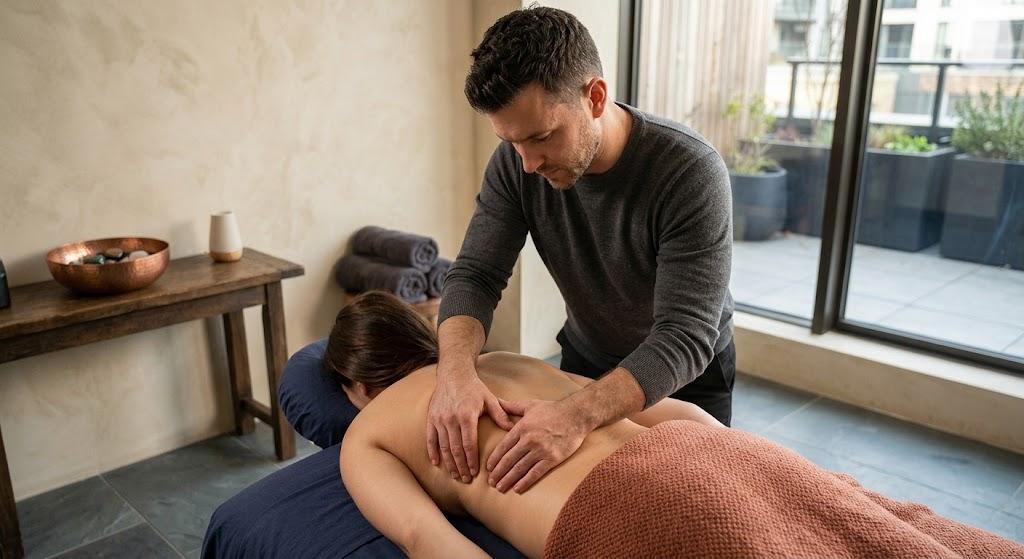
Many people think of the diaphragm as simply the muscle that helps us breathe. But this dome-shaped muscle does far more than move air in and out of the lungs — it works together with the abdominal muscles, pelvic floor, and core to support posture, regulate pressure within the abdomen, and assist with everyday movement.
When the diaphragm becomes tight or isn't moving efficiently — a condition sometimes referred to as diaphragm dysfunction — it can contribute to a range of symptoms, including neck and shoulder tension, upper back discomfort, shallow breathing, and in some individuals, a sensation of abdominal bloating.
What Is the Diaphragm?
The diaphragm is the primary muscle of respiration. Located beneath the lungs, it contracts and moves downward during inhalation, allowing the lungs to expand. During exhalation, it relaxes and returns to its resting position.
A healthy diaphragm works in coordination with:
- The abdominal muscles
- The pelvic floor
- The deep core muscles
- The rib cage
Together, these structures provide stability, support efficient breathing, and help regulate pressure within the abdomen.
What Causes Diaphragm Dysfunction?
Several factors may affect diaphragm mobility, including:
- Chronic stress and anxiety
- Poor posture
- Shallow chest breathing
- Previous abdominal or chest surgery
- Persistent neck or back pain
- Rib cage stiffness
- Chronic coughing or respiratory conditions
When breathing becomes shallow, the neck and shoulder muscles often compensate — leading to increased muscle tension and fatigue over time.
Feeling tight under the ribs?
Our Registered Massage Therapists in Richmond BC can help address the muscular factors behind restricted breathing.
Book NowHow Can RMT Help With Diaphragm Dysfunction?
A Registered Massage Therapist (RMT) may help manage diaphragm dysfunction by addressing the surrounding muscles, soft tissues, posture, and breathing patterns that influence diaphragm movement. RMT does not directly treat medical conditions affecting the diaphragm, such as nerve injury or lung disease, but can help improve the musculoskeletal factors that may limit diaphragm function.
1. Diaphragm Release Techniques
The diaphragm attaches to the:
- Lower ribs (costal attachments)
- Sternum (central tendon area)
- Lumbar spine (crural attachments)
When the diaphragm becomes tense or restricted, an RMT may use gentle manual techniques to reduce tension around these attachments, improve rib cage mobility, encourage more comfortable breathing patterns, and decrease feelings of tightness under the ribs.
2. Rib Cage and Intercostal Muscle Treatment
The diaphragm relies on proper rib movement during breathing. Tightness in the intercostal muscles, pectoral muscles, serratus anterior, and thoracic paraspinals may reduce chest expansion.
RMT techniques may help:
- Improve soft tissue mobility around the ribs
- Reduce chest wall tension
- Support deeper, more efficient breathing
3. Reducing Accessory Breathing Muscle Tension
When the diaphragm isn't working efficiently, the body may rely more on accessory breathing muscles, including the upper trapezius, levator scapulae, sternocleidomastoid (SCM), scalenes, and pectoralis minor. Overuse of these muscles may contribute to neck and shoulder tightness, headaches, and upper back discomfort. RMT treatment can help reduce excessive muscle tension and improve comfort.
4. Improving Posture and Thoracic Mobility
Poor posture — especially prolonged sitting or forward-head posture — can affect breathing mechanics. An RMT may address thoracic spine stiffness, rounded shoulders, tight chest muscles, and back muscle tension. Improved thoracic mobility can allow the rib cage and diaphragm to move more freely.
5. Supporting Relaxation and Stress Regulation
Stress can increase sympathetic nervous system activity, leading to shallow breathing, increased muscle tension, and difficulty relaxing the diaphragm. Massage therapy may help by promoting relaxation, reducing muscle guarding, and encouraging slower, deeper breathing patterns.
6. Breathing Education and Home Care
An RMT may also teach simple strategies to help improve awareness and coordination of your breathing muscles between sessions.
Try This: Diaphragmatic Breathing Exercise
- 1Sit or lie in a comfortable position.
- 2Place one hand on your abdomen and one on your chest.
- 3Breathe slowly through your nose.
- 4Allow your abdomen and lower ribs to expand.
- 5Slowly exhale and relax.
Key Takeaway
- The diaphragm works with your core, pelvic floor, and rib cage — not just your lungs.
- Tension around the diaphragm can show up as bloating, neck tension, or shallow breathing.
- RMT treatment targets the musculoskeletal factors that limit diaphragm movement, alongside posture and breathing education.
Ready to feel better?
Book your appointment today and let our Registered Massage Therapists build a plan around your needs.
Book Your Appointment